


5 Rural Connectivity Myths We're Busting in 2026
You’ve probably heard the conventional narratives about rural internet: It’s slow, it’s spotty, and there are limited provider choices. So if you’re pining for the country lifestyle, you might be wondering: Does that mean you have to give up streaming, gaming, and/or remote work?
These claims may once have been valid, but technology hasn’t stood still; fiber-optic internet is increasingly accessible in small towns and remote locations. Local leaders now treat digital access as essential infrastructure on par with roads and power, and both federal and private organizations are investing heavily in e-connectivity and fast, reliable rural internet connections.
Still, despite all this, the old myths persist. Here are five of the most common misconceptions about rural internet, and why they’re steadily getting less valid as we move into 2026.
Myth 1: “Rural Internet Is Always Slow.”
Rural internet connections were once slow, it’s true—but so were urban connections, back in the dark days of dial-up internet. DSL was a faster option, but it wasn’t in the same league as cable and fiber optic connections.
Times have changed, and the change has been for the better when it comes to rural internet. Rural internet access is now more reliable than ever as fiber-optic networks expand into areas once served only by outdated infrastructure, and rural fiber internet delivers speeds comparable to those in urban centers, regardless of distance.
With fiber internet, rural users enjoy a smoother, more responsive online experience, with clear, crisp video calls, fast file uploads, and seamless streaming across multiple devices. Ultimately, the real story of rural internet in the 2020s is no longer that it’s slow—it’s that the digital divide between rural and urban areas is closing rapidly.
Myth 2: “Reliable Providers Don’t Exist Outside Cities.”
Look: There’s no denying that it’s still challenging to find reliable internet in some rural areas, especially in the most remote locations. This claim usually accompanies the belief that internet service providers feel expanding from urban centers into less populated areas isn’t worth the return on investment.
Fortunately, high-quality ISPs like Brightspeed are expanding their networks into small towns and remote areas. Some of these ISPs are regional providers with deep ties to local communities, but large national providers are now investing heavily in rural infrastructure, rolling out full-fiber packages with speeds and support systems identical to those they offer urban users. Faster repair times, smart network monitoring, and stronger infrastructure are becoming standard in areas that used to be considered too far out to matter.
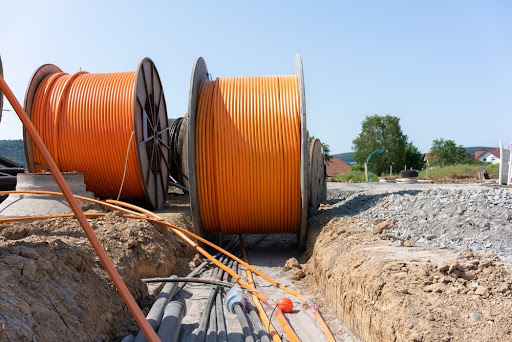
Myth 3: “Upgrading Isn’t Worth It in Rural Areas.”
This myth has spawned two misconceptions: that upgrading to high-speed internet is exceptionally expensive, and the feeling that high-speed internet is a luxury rural community members don’t need. Yeah, that does sound ridiculous to us, too.
The truth is, reliable internet access is vital for how everyone lives and works today, no matter where they live. Here are a few reasons a high-speed rural internet connection is worth the cost:
- Online education depends on high-speed internet to support quick downloads, clear video lessons, and interactive learning platforms.
- Remote work and home businesses rely on stable, high-bandwidth connections to use cloud tools and collaborate effectively.
- Telehealth plays a major role in rural healthcare, especially for people who live far from clinics or specialists.
- Staying in touch through video calls, social platforms, and online games helps people maintain relationships across long distances.
- Internet access opens the door to more shopping options with a wider range of products and price points.
- Smart devices and security systems make home and work more convenient and energy-efficient.
- A dependable rural internet connection enables access to streaming media and digital entertainment that would otherwise be out of reach.
High-speed internet is a direct investment in your economic mobility, personal safety, and quality of life. That’s why broadband internet is now an essential service rather than a nice-to-have, and why it’s critical for rural residents to have high-speed internet access.
Myth 4: “Rural Connectivity Doesn’t Impact Property Value.”
Try telling a real estate agent that internet connectivity doesn’t impact property value, and they’ll set you straight on this myth. Strong connectivity is one of the main factors people consider when buying a home, with some buyers rejecting homes with weak internet. Single-family homes with fiber internet see property values increase by 4.9 percent.
But it’s not just about single-family sales. Rentals, short-term housing, and small-business properties depend on reliable service, too. Today’s remote workers often choose to live in quieter areas while keeping their city jobs, but they can’t make the move if the connection won’t support their workday needs. So yes—rural internet connections do influence the value of your home.

Myth 5: “Fiber Internet Can’t Withstand Harsh Weather.”
The assumption that fiber infrastructure is somehow less reliant than other types of rural internet isn’t just wrong—it’s the total opposite of reality. In fact, fiber infrastructure is buried deeper and protected better than older copper lines. Fiber is also more stable than copper systems, which are sensitive to moisture, heat, and physical strain.
Fiber is also built to withstand sharp temperature changes. As rural regions often face harsh weather, shifting to fiber results in a more consistent internet signal. Fiber transmits data as light, rather than electrical signals, making it less vulnerable to interference. The result is a more dependable network with fewer outages and faster recovery after storms.
Fiber Internet and Rural Growth
The benefits of better connectivity go far beyond faster internet. Every new high-speed produces ripple effects that can include:
- Rural communities attract more outside investment and new business opportunities
- Entrepreneurs can build and grow companies locally instead of relocating to larger cities
- Remote workers contribute outside income that supports small-town economies
- Young adults can pursue meaningful careers without leaving the communities where they grew up
The next wave of innovation won’t be limited to the same handful of big cities. It will come from anywhere where people have the tools and the confidence to build something new—and rural America is finally getting both.