.png)


How to Improve Gaming Latency
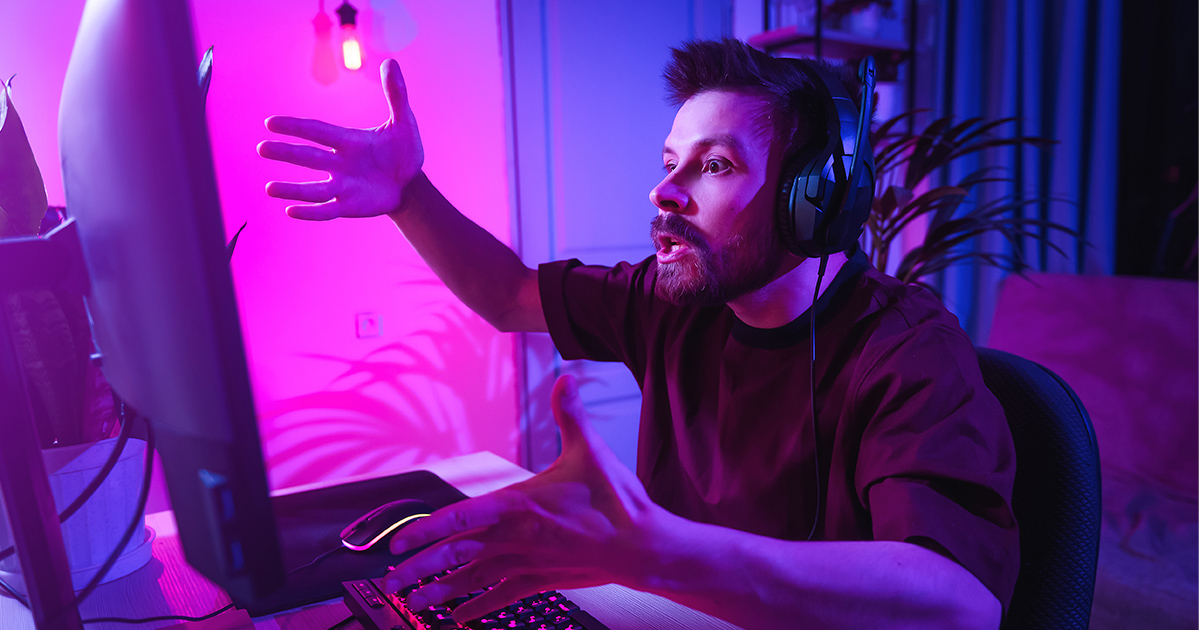
Whether you play first-person shooter (FPS) games, racing games or real-time strategy games, you need fast internet speeds to keep your gameplay seamless. If you’ve noticed an input lag between when you press a button and when your game reacts, you might be dealing with latency, also called lag.
Let’s look at where gaming latency comes from and how to fix internet latency for gaming.
What is Gaming Latency?
Latency is a measure of the time, in milliseconds, that it takes a data packet to travel one way between your IP address to its destination (or back). A high-latency connection can cause jerky performance and frequent buffering for applications like gaming and video chat.
What is good latency for gaming?
Generally, an acceptable latency (or ping) is anywhere around 40 – 60 milliseconds (ms) or lower, while a speed of over 100ms will usually mean a noticeable lag in gaming. Essentially, you want the ping from your gaming device to the internet server to be as close to 0ms as possible, as this means it takes little time for one device to respond to another.
Test your internet connection for latency
Use a free internet speed test to check your internet connection’s latency. For the most accurate results, run the test while you’re gaming. Again, if your ping is higher than around 60 ms, latency could be causing performance problems in your gaming. For more tips, see our Ping Testing 101 guide.
Common Causes of High Latency in Gaming
Excessive gaming latency is often related to one of these factors:
- Geography: The physical distance between your internet router and the server can affect latency. For example, if you’re located in the US and connected to a gaming server located in Japan, you’ll probably experience higher latency than if you played on a North American server.
- Internet connection: Your connection could temporarily be experiencing high latency if there’s a lot of devices using the same connection, or sometimes even a lot of homes in the area using the internet at the same time.
- VPNs: Many people use virtual private networks (VPNs) to protect their privacy while using the internet, but VPNs add extra routing to your internet connection that can increase latency.
- Equipment: Your home internet equipment—such as your router and/or modem—might be malfunctioning or outdated.
How to Improve Latency for Gaming at Home
If you’re struggling with latency on your gaming connection, here are some easy tips and tricks that can help lower your ping:
- Use a wired Ethernet connection for your gaming rig instead of connecting to a Wi-Fi network. A wired connection will always be faster than Wi-Fi, which is why most gamers prefer to connect their consoles and PCs to Ethernet when available.
- If you’re using a VPN, consider turning it off while gaming. VPNs add extra steps to your internet connection that improve security but can increase latency.
- Avoid running unnecessary background apps while you’re gaming. Anything that contributes more traffic to your network can contribute to latency.
- If you have to use Wi-Fi, try to place your router as close as possible to where you do most of your gaming. When the router is closer to the device, the signal has a shorter distance to travel, which helps minimize latency.
- Make sure you’re using a modern router, and consider using one with gaming-friendly features such as a fast processor and Quality of Service (QoS) features. For the best internet connection performance, use a router supplied by your ISP.
Checking Your Internet Plan
Start with an internet speed test to determine the current speed and latency level of your internet connection, and try some of the troubleshooting tips we’ve covered here. If your internet still isn’t meeting your needs, you might consider upgrading to an internet plan with more bandwidth. To learn more about the speed you need for gaming, see our article: What internet speed do I need?
If you’re looking for the fastest internet for gaming, there’s no question that fiber-optic internet is the winner. See why the speed and reliability of Brightspeed Fiber make it perfect for gaming.
Adjusting Game and Device Settings
- Lowering graphics settings like shadows and textures
- Disabling V-sync
- Playing in a lower resolution
- Using a wired controller instead of a wireless one
Advanced Steps to Reduce Latency
Use Quality of Service (QoS) settings on your router.
You can configure your router’s QoS settings to give your gaming traffic priority over other types of traffic on the same connection. Typically, you can enable QoS from the router’s settings control panel. If you have a Brightspeed router/modem combo (also called a gateway), click here to learn more about what your router can do.
Schedule updates and downloads during off-peak hours.
If you use auto-scheduled software updates, make sure you’re not setting them to download during your gaming hours. Some of these files (especially game updates) can be large enough to increase latency in your system.
For PC gamers: Consider connecting to a closer server if you can.
If you’re playing on a PC, you might have the option to choose which server you connect to. Most games will automatically choose the closest server to you (and console games usually won’t let you choose), but check your settings to see if there’s an option to change servers. If you’ve been playing on a geographically distant server, try connecting to a closer one.
Brightspeed delivers fast internet for gamers, with low-latency fiber connections that let your skills shine. Find out if Brightspeed Fiber is available near you.
Top tools
Log in to access our most popular tools.


Brightspeed services support


